
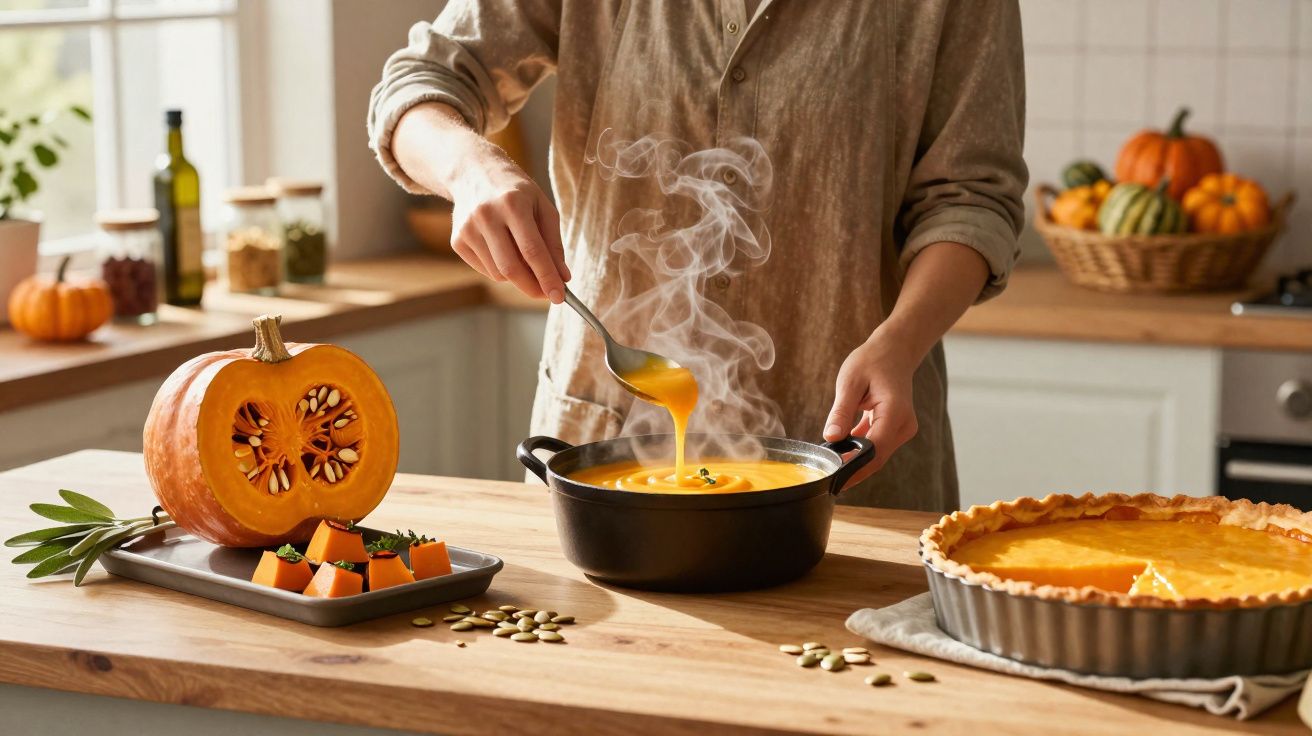
Pumpkin has long stopped being just a Halloween ornament. Today, it shows up as a practical choice that influences autumn meal plans, stretches household budgets and even feeds the conversation about cooking with a smaller environmental footprint.
That shift isn’t just about novelty on the plate. It reflects a wider search for ingredients that are easy to use, feel comforting and can cover several meals without pushing spending up.
Pumpkin’s quiet boom: from rustic staple to modern essential
In Italy alone, more than 250 000 toneladas de abóbora were harvested in 2023, with home consumption up 18% in a single year. That jump points to more than a passing seasonal fad. Households are leaning into foods that can be repurposed across multiple dishes, suit tighter budgets and still feel like “real food”.
Pumpkin sits right at that intersection. It’s relatively inexpensive, works equally well in sweet or savoury recipes, and fits almost any cooking approach. From quick weekday meals to slower weekend baking, the same vegetable can land on completely different plates.
Pumpkin offers an unusual trio for home cooks: low price, high versatility and a strong sustainability profile.
Nutrition is part of the appeal, too. With just around 20 kcal per 100 g and a water content above 90%, pumpkin adds body and volume without piling on energy. A 200 g portion can cover up to 70% of daily vitamin A needs, thanks to its beta-carotene content often compared to that of carrots and sweet potatoes.
A seasonal ally in a warming world
Pumpkin’s recent popularity is also tied to environmental concerns. Grown across the Italian peninsula from Lombardy to Sicily, many varieties cope well with different soils and climates. Farming data shared by producer organisations indicate that pumpkin needs about 30% less water than courgettes, a detail that matters more in years marked by drought and water restrictions.
Growers highlight another advantage as well: almost the whole pumpkin can be used. The flesh, seeds and even the peel can go into cooking or other processes, which keeps agricultural waste low and improves the economics of smaller farms.
For households facing rising food prices, pumpkin staying under roughly €2 per kilo in retail outlets turns it into a stable anchor for autumn shopping lists.
That steady pricing compares well with other autumn vegetables, which can swing more sharply with energy and transport costs. For families watching the monthly bills, pumpkin often steps in for pricier proteins or ready-made options-especially in soups, bakes and pasta sauces.
Five easy recipes that change the rhythm of weeknight cooking
From Milan to small rural towns, families increasingly want meals that feel balanced but don’t take an hour to get on the table. With one pumpkin, a basic set of spices and a hot oven, it’s possible to build a mini menu for the week.
| Dish | Average time | Difficulty |
|---|---|---|
| Creme de abóbora com gengibre | 25 min | Low |
| Massa integral com creme de abóbora | 20 min | Low |
| Tarte salgada de abóbora e feta | 35 min | Medium |
| Abóbora assada no forno com ervas | 30 min | Low |
| Queques fofos de abóbora e canela | 40 min | Medium |
Creamy soup with a kick
The pumpkin and ginger soup sits at the heart of this set. Cubes of pumpkin simmer with onion and a small knob of fresh ginger, then blend into a smooth bowl that works for both a lunch thermos and a dinner starter. A drizzle of olive oil and a few toasted seeds can stand in for cream when cutting dairy, keeping the result silky while keeping calories modest.
Pasta that feels like comfort food, not a heavy treat
Whole-wheat pasta with pumpkin cream shows how easily pumpkin can replace richer sauces. Roasted pumpkin puréed with a splash of cooking water, garlic and nutmeg coats the pasta like a classic cheese-based sauce but brings more fibre and fewer saturated fats. Grated hard cheese or crumbled feta can go on top instead of melting into the sauce, so each person can adjust the richness at the table.
A tart for lunchboxes and late dinners
The savoury tart pairs roasted pumpkin with feta in a simple pastry shell. It travels well, reheats fast and turns leftover roasted vegetables into something that feels like a centrepiece. For families, one tart often becomes two meals: a warm slice for dinner, then a cold wedge in the next day’s lunchbox.
Roasted trays and sweet treats
Oven-roasted wedges with herbs such as rosemary or thyme show pumpkin at its simplest. One baking tray can serve several purposes: a side dish on day one, toppings for grain bowls on day two, and filling for wraps or salads on day three. Using the oven for more than one component at a time reduces energy use and time spent at the hob.
Sweet muffins, finally, bring pumpkin into breakfasts and snacks. Pumpkin purée replaces part of the fat and sugar in typical recipes, while cinnamon and nutmeg add that “treat” feeling without extra cost. For many home bakers, this becomes a weekend habit that keeps the freezer stocked with easy grab-and-go portions.
A single medium pumpkin can stretch into soup, pasta sauce, a tray of roast cubes and a batch of muffins, with seeds roasted as a crunchy bonus.
Why nutrition experts increasingly back pumpkin
The Italian National Institute of Health lists pumpkin among recommended foods for low-calorie diets. The combination of fibre and water supports satiety, which may help reduce snacking between meals. Research from the national food and nutrition agency in 2022 highlighted the role of pumpkin and similar vegetables in smoothing post-meal blood sugar peaks, which is relevant for people at risk of type 2 diabetes.
Beyond beta-carotene, pumpkin also provides small but useful amounts of potassium, which supports normal blood pressure, and vitamin E, often overlooked next to its famous orange pigment. For children, the bright colour and mildly sweet taste can make it easier to accept than other vegetables.
- Low calorie density supports weight management strategies.
- Fibre content contributes to gut health and regular digestion.
- Beta-carotene supports vision and skin health when converted to vitamin A.
- Seeds add plant-based protein and minerals such as zinc and magnesium.
These traits have helped push pumpkin into school canteens in a number of Italian cities, including Bologna, Padua and Florence, where at least one pumpkin-based dish appears regularly on weekly menus. Dietitians involved in those programmes describe it as both a useful ingredient and an educational tool for healthier eating habits.
Market shelves: steady prices, rising curiosity
Local markets report a consistent rise in pumpkin sales during October and November. Supermarkets respond by widening the range: beyond the classic round orange pumpkin, shoppers now find Delica types from Lombardy with a dense, chestnut-like flavour, or Marina di Chioggia varieties from the Veneto region with thick, warty skins and sweet, compact flesh.
So far, the gap between farm-gate price, around €0.60 per kilo, and retail price remains limited compared with other vegetables. That relatively short margin helps smaller producers and gives consumers access to seasonal, national produce without a big premium.
Pumpkin sits at the intersection of two strong trends: demand for local, traceable food and the need to keep the weekly bill under control.
Seeds, skins and new habits in the kitchen
Pumpkin’s rise also changes what ends up in the bin. Seeds, once tossed without much thought, now go into pans and jars. Toasted with a light sprinkle of salt or paprika, they become a snack rich in zinc and plant protein. Market data for packaged edible seeds show double-digit annual growth, reflecting a broader move towards homemade toppings for salads, soups and breakfast bowls.
Even the peel gets a second chance. In many households, cooks add washed strips of skin to broths or rustic stews, where long simmering softens the texture. This ties in with anti–food waste campaigns: national statistics estimate that households throw away around 27 kg of fresh fruit and vegetables per person each year.
Keeping pumpkin on the table after the leaves fall
While pumpkin peaks in autumn, a few techniques keep it in rotation through the colder months. Freezing roasted cubes, using vacuum bags, or preserving purée in jars through low-temperature canning allows families to build their own stocks instead of relying on imported products in late winter.
Some organic farms now sell pre-cut, ready-to-freeze pumpkin or lightly steamed cubes aimed at quick soups and risottos. The pitch is clear for busy households: less peeling and chopping, more straight-to-pan cooking. At the same time, that convenience raises questions about packaging waste and transport distances.
Choosing between a whole local pumpkin and imported, pre-cut pieces framed in plastic mirrors a bigger debate: immediate convenience versus a shorter supply chain.
For consumers, a workable middle ground can be simple. Buy whole pumpkins in peak season, cook larger batches, then freeze portions for later weeks. When life gets hectic, those frozen cubes behave almost like convenience food-except the origin and ingredients stay completely transparent.
Beyond recipes: tips, risks and small strategies for daily life
A few extra details make pumpkin easier to use well day to day. Not all varieties cook the same. Dense-fleshed types such as Delica or Kabocha hold their shape better for roasting and salads, while waterier pumpkins naturally lean towards soups and purées. Reading labels at the market-or having a quick chat with the stallholders-often avoids disappointment back home.
People with specific health conditions, such as kidney disease or strong sensitivity to changes in blood sugar, should discuss frequent pumpkin consumption with their healthcare teams. The vegetable usually fits balanced diets, but portion size and overall meal composition still matter, especially when pumpkin shows up in sweet bakes with added sugar.
For parents, cooking with children around pumpkins can turn into a small learning project. Tasks like scooping seeds, brushing wedges with oil, or spooning batter into muffin tins build practical skills and open space to talk about food waste, farming and seasonal cycles. That hands-on time can shape attitudes to vegetables more effectively than posters or classroom lessons.
Home gardeners also see pumpkin as an entry point to self-sufficiency. The plant needs space, but not complex equipment. A couple of vines along a fence can produce a surprising number of fruits, encouraging neighbours to swap varieties and recipes. Those informal networks often spread practical know-how about storing, roasting and using every last piece, from stem to seed.




Comentários
Ainda não há comentários. Seja o primeiro!
Deixar um comentário